Full technical specifications
The article
microslit1300-slitting
Production
Turkey
Width of the canvas
1000 to 1300 to 1600 mm
The diameter of the brushless rotor
up to 800 mm
The diameter of the brush rotor
up to 500 mm
The standard cut
up to 25 mm
Laminating speed
up to 800 m/min
Other features
Height
- What ?
The width
- What ?
The length
- What ?
The colour
The gray
Construction materials
Metal, plastic and aluminum
Control panels
1 display
Detailed description
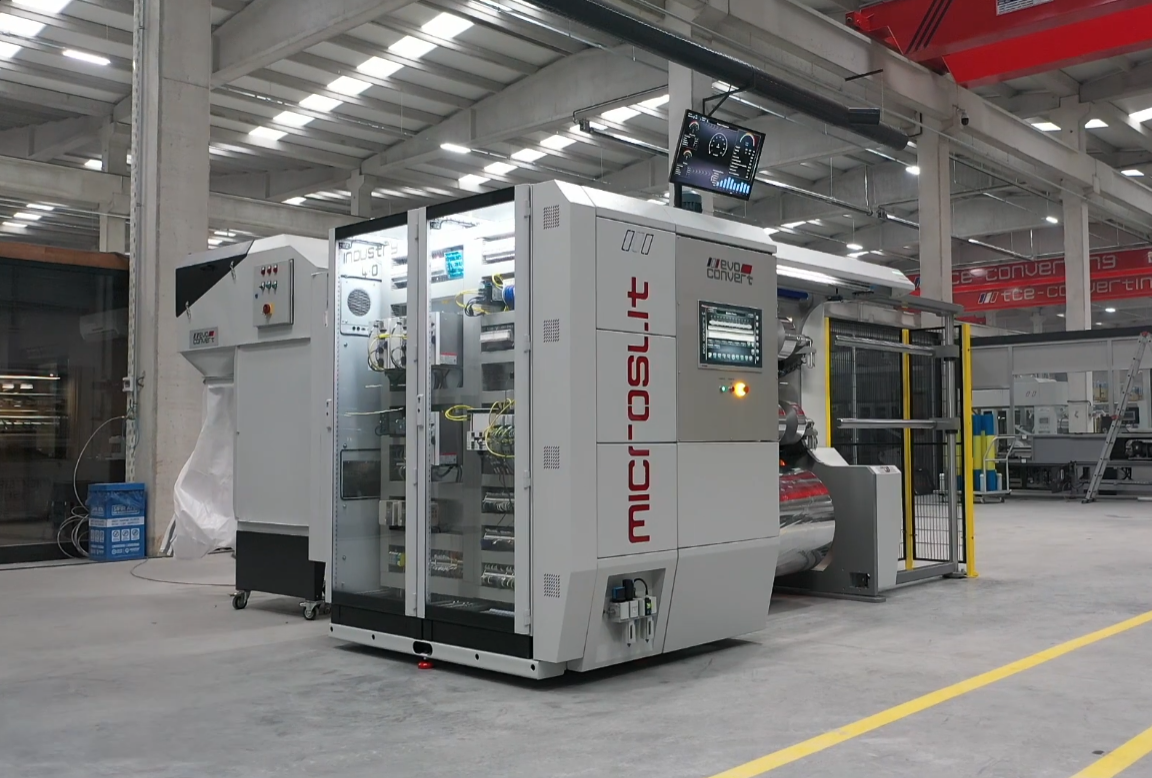
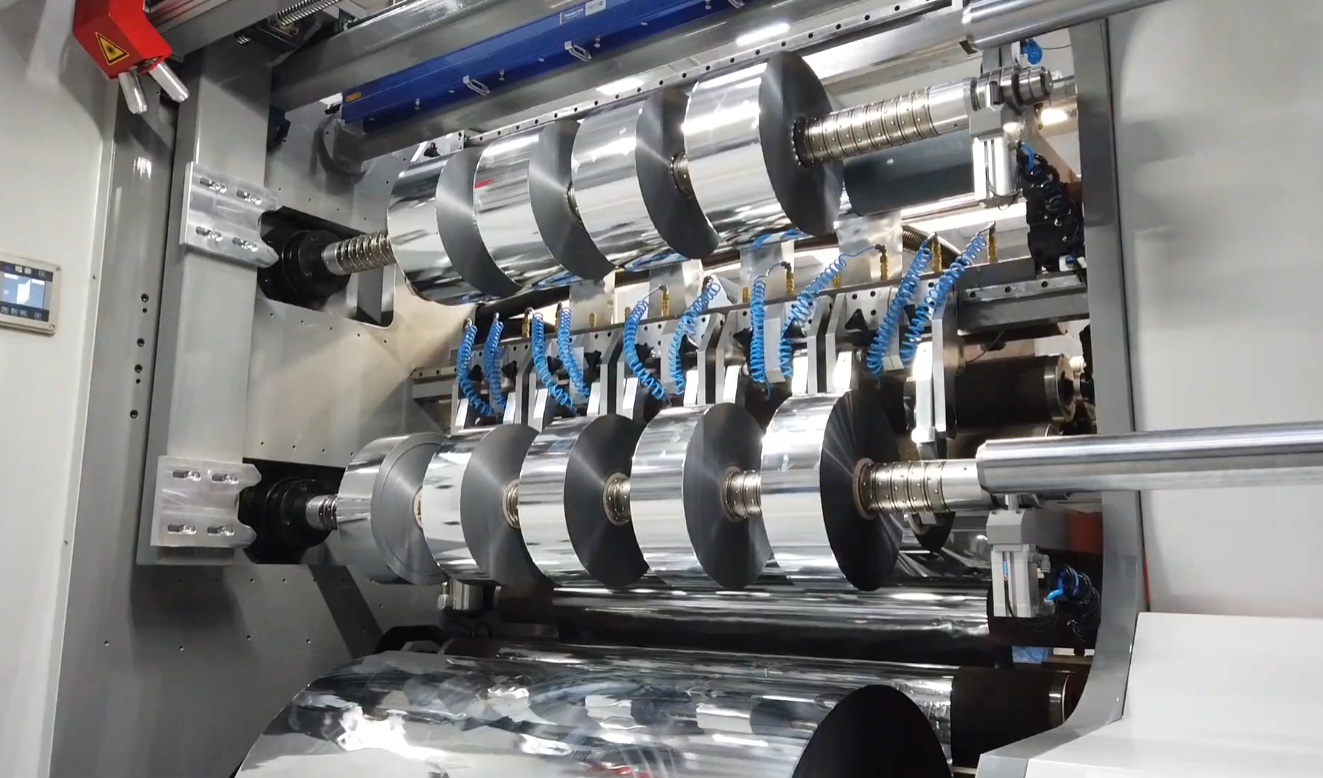
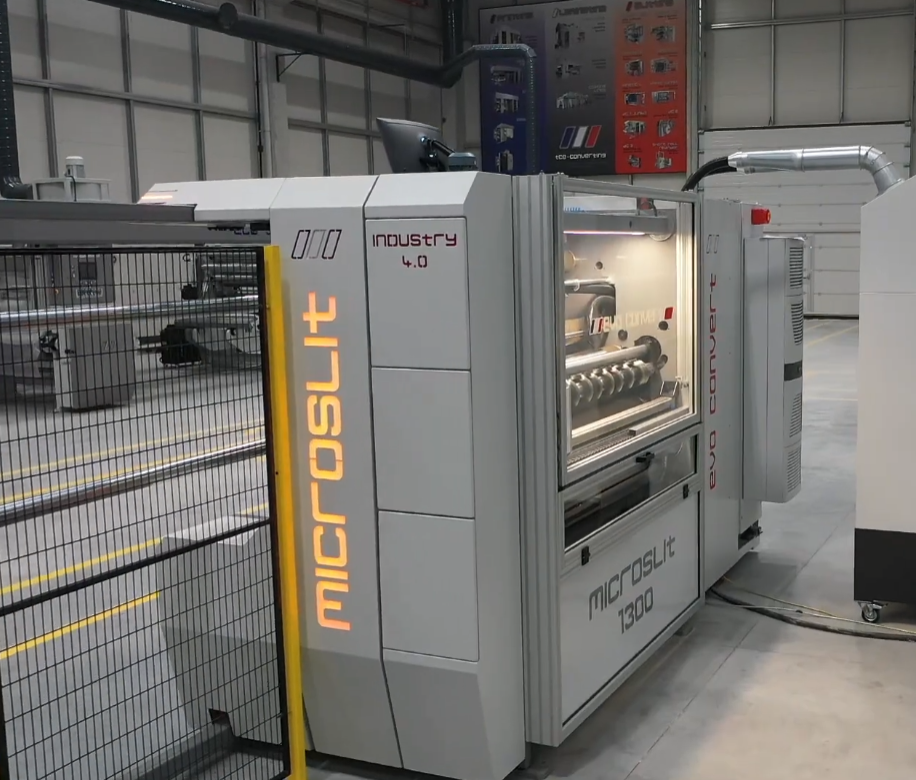
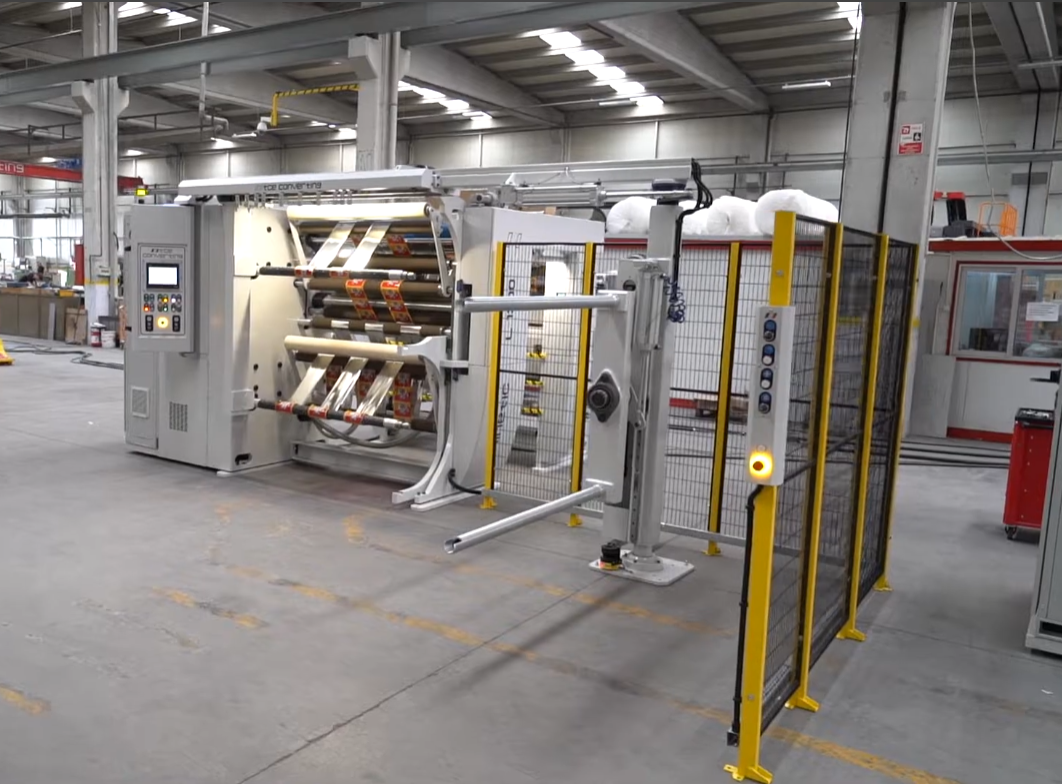
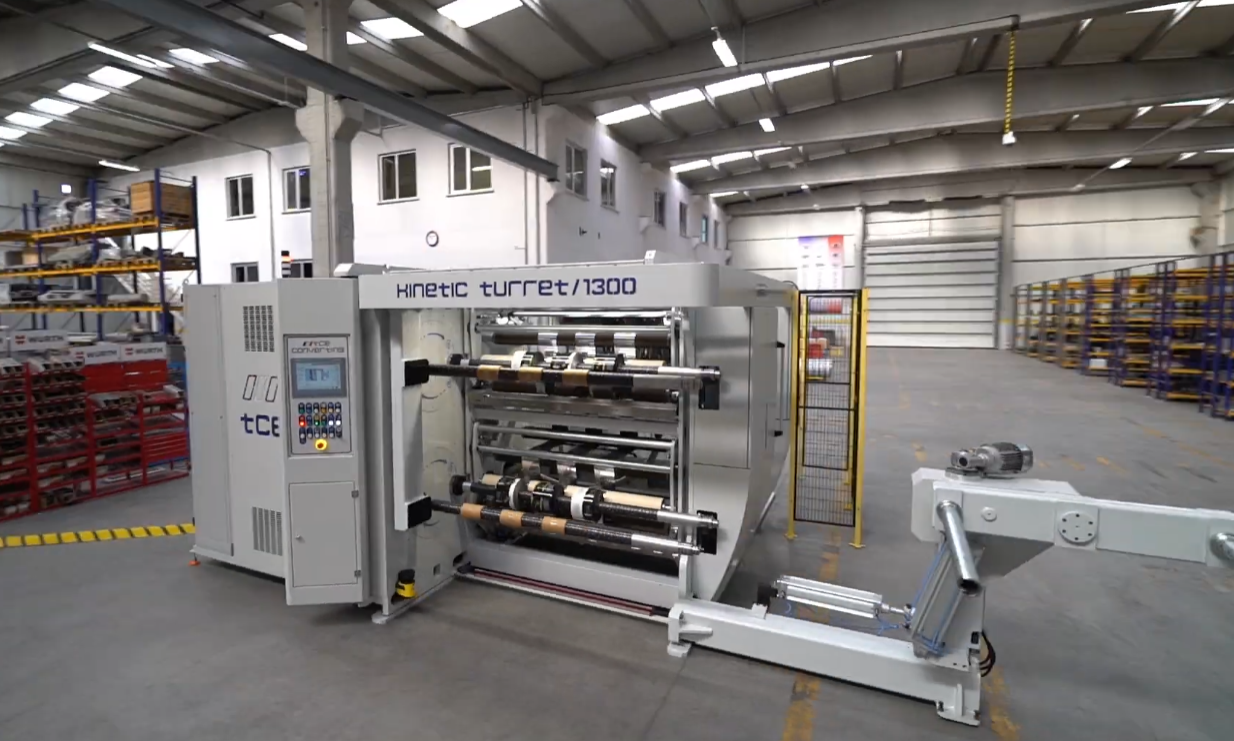
If the quality of the finished roller affects the entire subsequent technological route, MicroSlit 1300 4.0 helps build the cutting and rolling site at a more reliable level. HMI or ERP. The I-Slit system supports up to 12 cutting schemes and facilitates the transfer of canvas between the winding nodes. This approach allows you to view the model as an important link in the technological chain where the quality of the cut, the stability of the wrapping and the predictable behavior of the canvas directly affect the final result.
The key technical value of the equipment is revealed through integration parameters HMI/ERPThese features help manufacturing to select the configuration more accurately for real orders rather than an average work profile. When the cutting is done steadily and the grinding keeps the roll geometry, the enterprise gets not only a beautiful specification, but also a practical benefit: fewer adjustments, less time loss and a more confident line behavior throughout the shift.
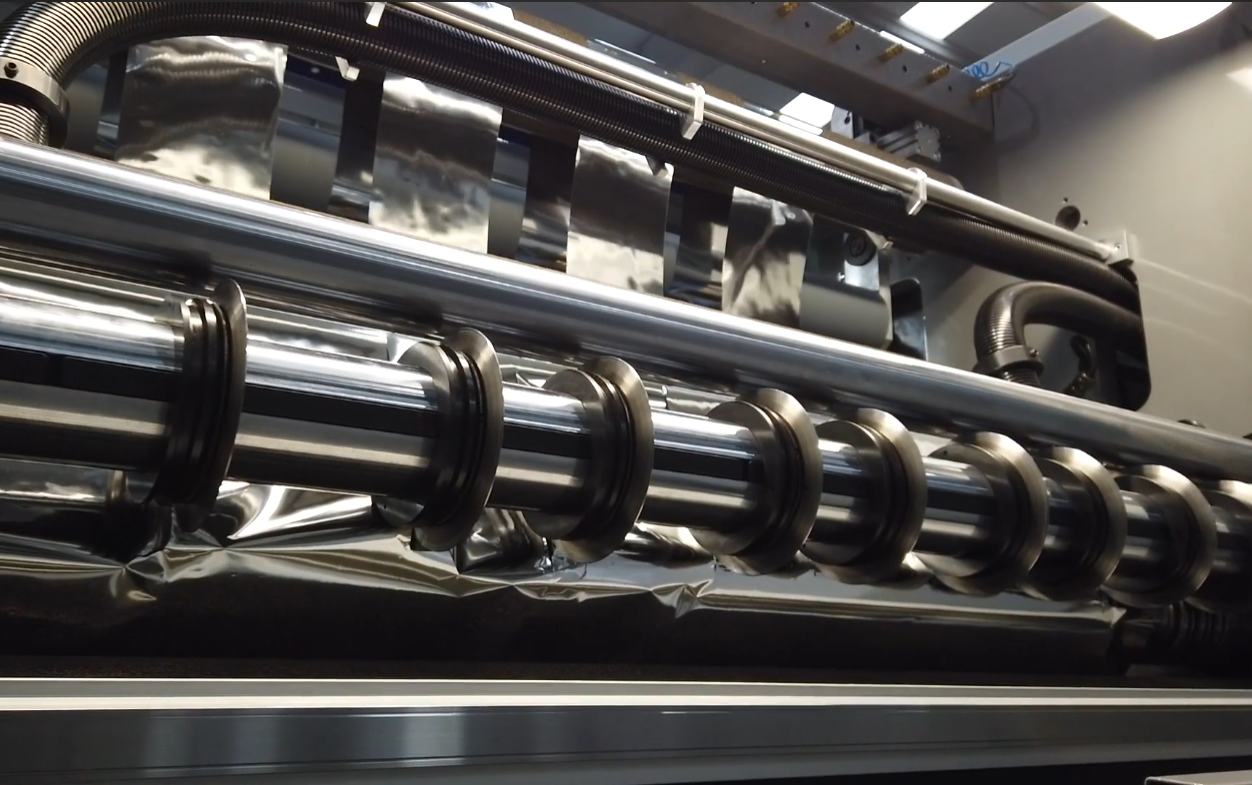
The model is oriented to work with materials such as film, paper, foil and multi-layer flexible materials. This is important for companies that produce a wide range of products and do not want to limit themselves to one narrow category of substrate. Good compatibility with different types of rolling canvas helps to distribute orders more easily, incorporate equipment more quickly into the current flow and maintain a stable result even when materials with different behavior and thickness are in succession.
For manufacturing teams, MicroSlit 1300 4.0 is valuable because it makes serial cutting, repeating orders, rapid format change, and digital production more manageable. If an enterprise regularly faces the need to cut the material carefully, maintain cutting quality, and get a smooth ready roll for printing, lamination, or further processing, such a machine helps standardize the process.
A distinct plus of the model is operational predictability. It is important for the workshop that the equipment does not just work, but works equally confidently in the morning, afternoon and at the end of the shift. This is why the description of MicroSlit 1300 4.0 is particularly noticeable in such advantages as time savings, standardisation of recipes, reduction of human factor influence and repeatability. These qualities affect the order entry speed, operator comfort and how accurately the equipment deals with a series of uniform or, conversely, frequently changing production tasks.
From an economic point of view, a well-configured cutting and grinding almost always gives more effect than it seems at the first stage of equipment selection. The smoother the finished roller and the more stable the process, the fewer accumulated defects before the next stages, be it printing, lamination, packaging or another type of converting. MicroSlit 1300 4.0 helps the manufacturer to improve this site and thereby make the entire flow more predictable and less sensitive to off-plan stops.
For companies that develop a range or service different categories of customers, this machine is also convenient as a versatile tool. It is able to fit both in the flow of repetitive tasks and in scenarios where it is important to quickly rearrange between multiple work formats. This characteristic makes the model interesting not only for large enterprises, but also for manufacturers who build a flexible service model and want to respond more quickly to non-standard requirements for width, format and winding.
As a result, MicroSlit 1300 4.0 enhances the cutting and rolling area where time saving, standardisation of recipes, reduction of human influence and repeatability are important to the business. The machine helps to produce a more even semi-manufacture, more reliably transfer the material to the next stage and reduce losses that directly affect the timing, quality and cost of the order.