Full technical specifications
The article
ecosl-laminating
Production
Turkey
Width of the canvas
up to 1330 mm
Lamination width
up to 1315 mm
Weight of the coil
up to 1200 kg
The diameter of the winding
up to 1000 mm
The diameter of the roll
up to 1000 mm
Laminating speed
up to 400 m/min
Materials
BOPP, PP CAST, ALU, LDPE, LLPDE, NAYLON, PETP, OPA, PAPER
Other features
Height
- What ?
The width
- What ?
The length
- What ?
The colour
The white
Construction materials
Metal, plastic and aluminum
Control panels
1 display
Detailed description
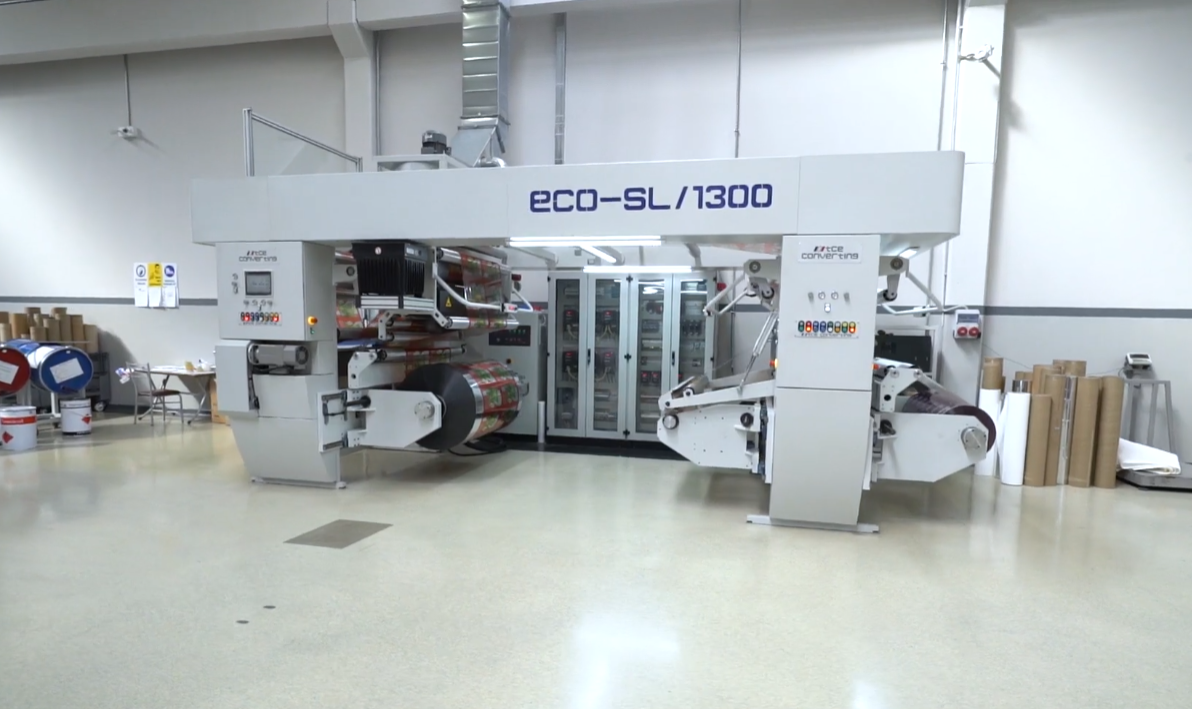
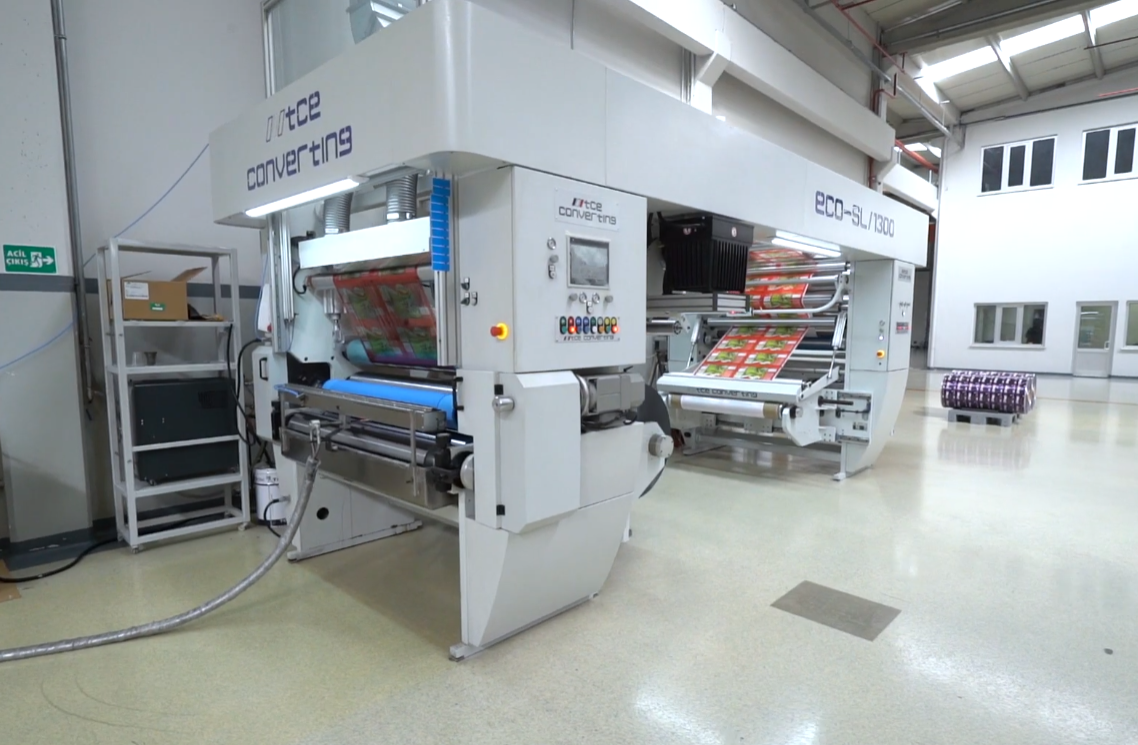
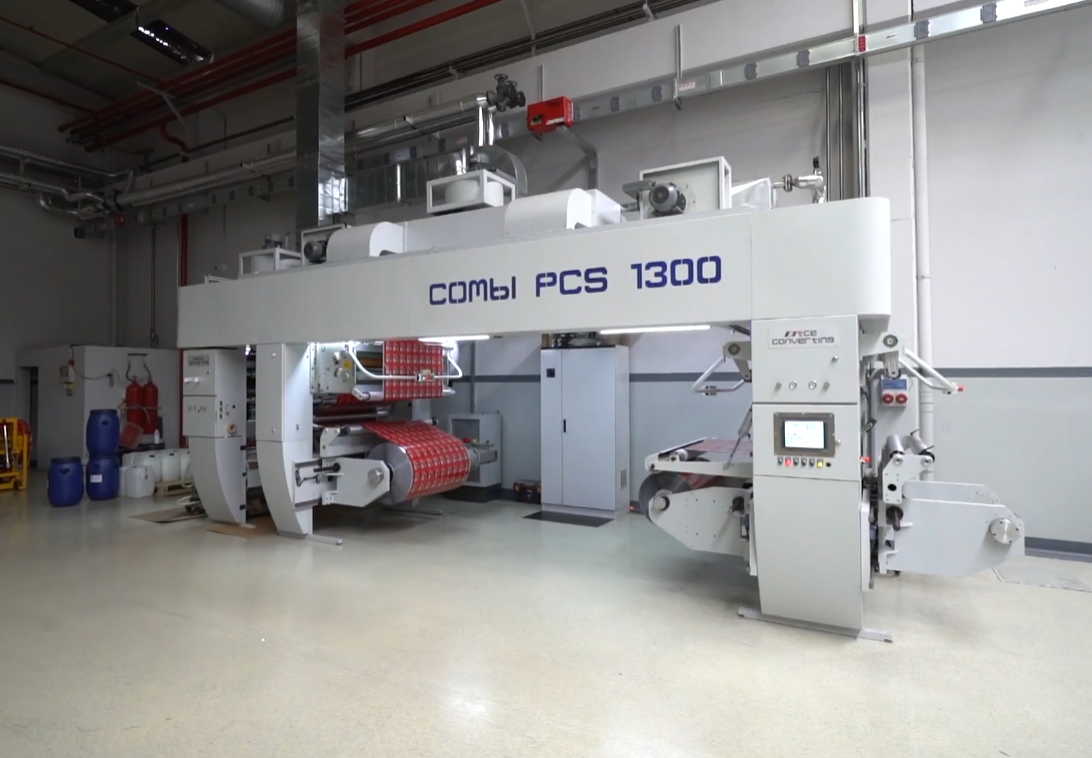
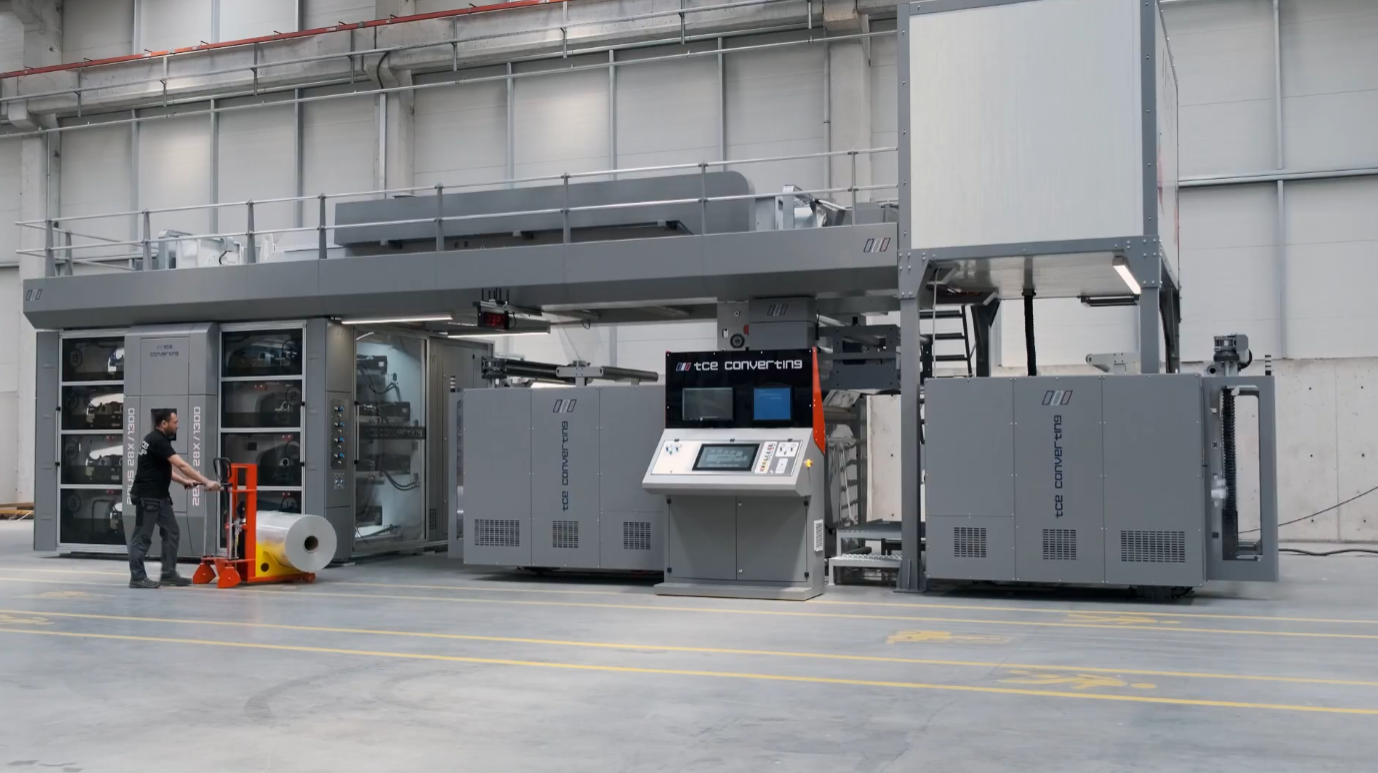
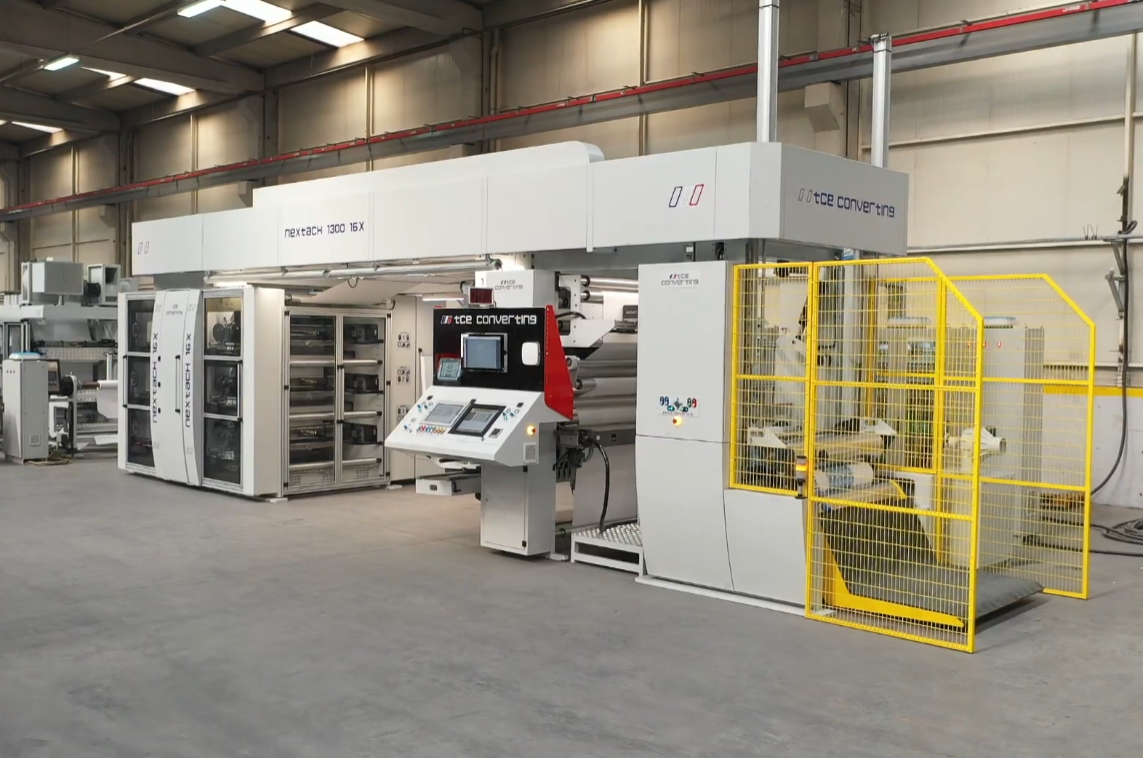
For companies that want more freedom in coatings, laminations and combined recipes, Eco SL provides a reliable technological base for growth. It is designed for a maximum beet weight of 1200 kg and a speed of up to 400 m/min, simplifying adaptation and operations to achieve high performance and stable quality.
On the technical side, the focus is on the parameters of the bean weight up to 1200 kg, speed up to 400 m/min, lamination without solvent and orientation to fast adaptation. It is these that determine how confident the machine feels in real-world shifts, when the order may require different recipes, different speeds and high stability of the result. The better the equipment adapts to the current task, the easier it is for the production to keep the schedule, minimize losses on transitions and deliver a finished product with the expected surface and adhesive properties.
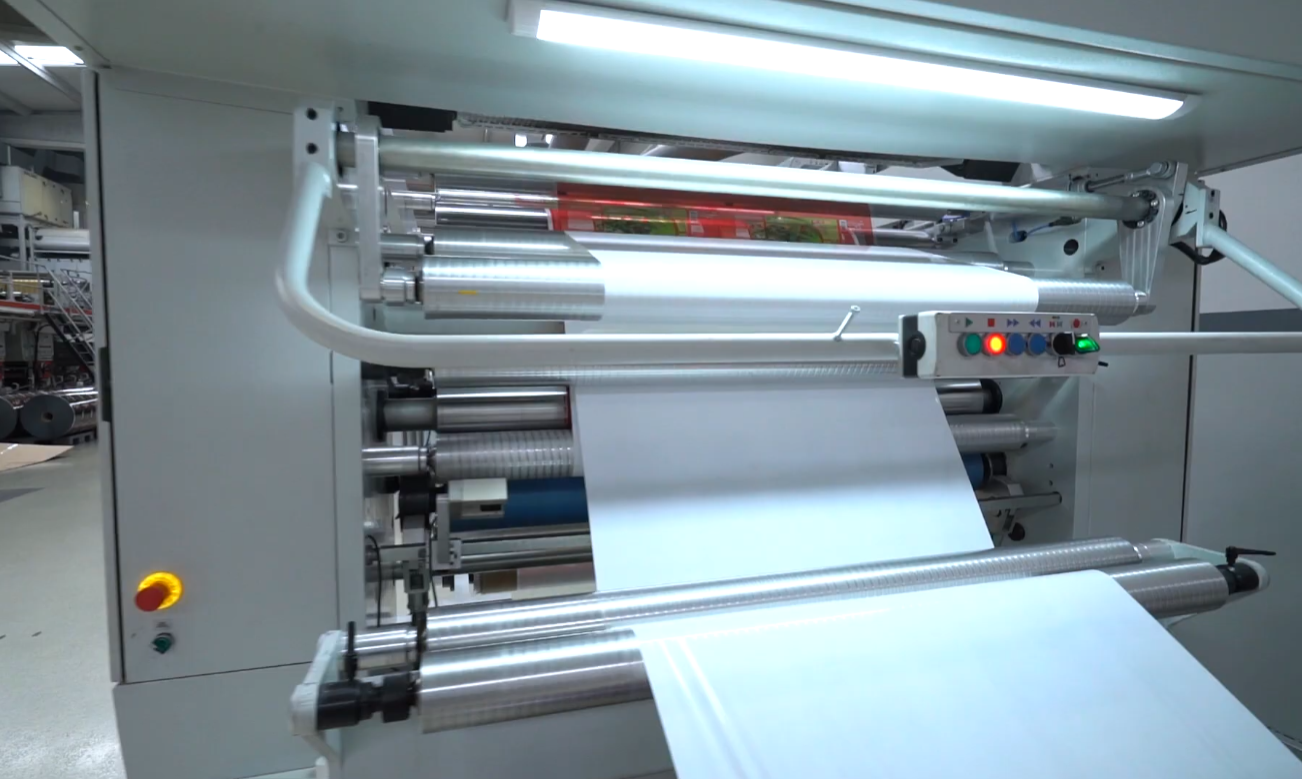
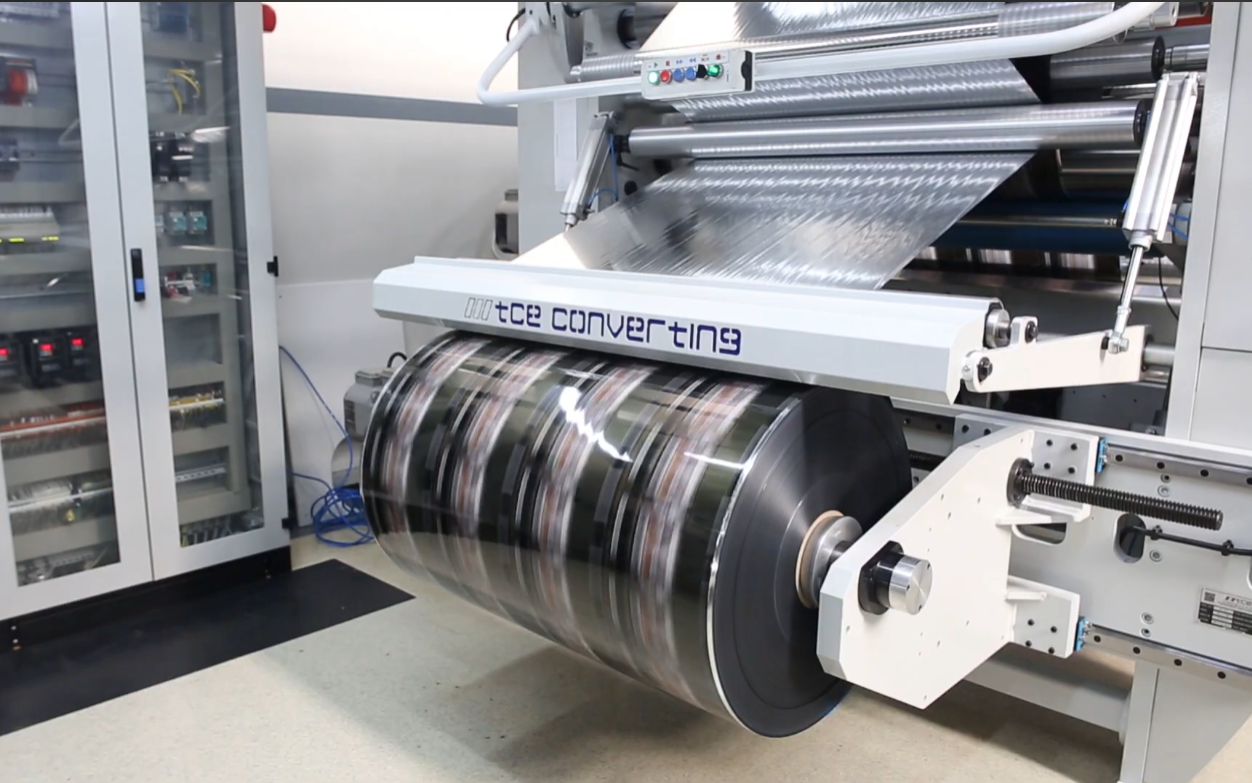
The model is designed to work with materials such as film, paper, laminated structures and flexible packaging. This makes it valuable for enterprises that operate not with one standard structure, but with a wide range of packaging and technical layers. The wider the allowable range of materials, the easier it is to expand the range, launch new products and take orders that require a different combination of properties: barriers, sliding, adhesive strength, thermal resistance or special functional coating.
In practice, Eco SL helps to more confidently perform such operations as solvent-free lamination, medium and large printing, high-speed production and packaging materials. This is especially important for manufacturing where the same line should have a commercial effect on different types of orders. When the equipment is able to handle both basic tasks and specialized recipes, the company gets a more flexible production structure and can better use loading within a week without leaving expensive assets stranded between projects.
The strengths of the model are the speed, environmental efficiency, ease of implementation and quality stability. In a commercial sense, this means less need to keep several separate machines under similar processes and more opportunities for rational management of the order portfolio. If the equipment gives a stable result and is conveniently scaled under different recipes, the manufacturer gains not only technological but also purely economic benefits: fewer complex agreements, faster launch and more transparent cost.
Lamination and coating are often perceived as processes where slight instability in setup quickly becomes a noticeable issue at the output. Therefore, the value of Eco SL is that it helps to keep the process in a controlled mode, ensures a more reliable repeat of the recipe and makes the quality of the finished structure less dependent on random fluctuations during a long production shift.
For the packaging and specialty materials market, this technique is particularly relevant when a business needs versatility without loss of quality. The ability to work with multiple types of tasks on one platform makes the model attractive for companies that are growing, testing new products or serving customers with different technical requirements.
As a result, Eco SL helps produce more stable and commercially strong structures where speed, process eco-friendliness, ease of implementation and quality stability are important.